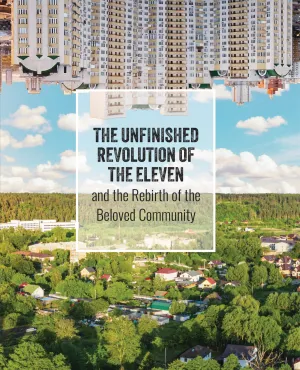
The Unfinished Revolution of the Eleven and the Rebirth of the Beloved Community

Author(s)
CEDRIC GRICE
Edition
1
Pages
196
Book Type
Academic
Retail

CHOOSE YOUR FORMAT

Help Me Choose

Paperback Book

$18.00

ISBN: 9798319750488
Details: 
Print Product

eBook

$8.99

ISBN: 9798319750495
Details: 
Electronic Delivery EBOOK - 365 days

CHOOSE YOUR FORMAT

Help Me Choose

Paperback Book

$18.00

ISBN: 9798319750488
Details: 
Print Product

eBook

$8.99

ISBN: 9798319750495
Details: 
Electronic Delivery EBOOK - 365 days

For two hundred and fifty years, the eleven states of the former Confederacy have been bound by what this book calls "the chain”, an economic logic forged first in chattel slavery, recast after emancipation into Jim Crow, and recast again after the Civil Rights Movement into the modern Southern Strategy. The Unfinished Revolution of the Eleven and the Rebirth of the Beloved Community argues that this is one continuous story, not three separate ones — and that the region's celebrated growth in the twenty-first century is, in truth, extractive growth: prosperity drawn from a population and a place rather than invested back into either.

Grounded in Census, BEA, and BLS data, the book's diagnostic chapters reveal a stark finding: the Eleven's regional boom is concentrated in a handful of urban counties, while the vast majority of its rural counties remain trapped in persistent, generational poverty. From there, the book turns from diagnosis to proposal — weighing the Southern Strategy against a demographic-realignment model drawn from Charles Blow's Black Power Manifesto, and against its own alternative: the Beloved Community. It closes with a concrete financing mechanism, the Beloved Community Bond Finance Authority, a $42.9 billion, ten-year, Treasury-administered bond program aimed at 341 persistent-poverty counties across 35 states.

Sweeping in scope yet precise in its data, The Unfinished Revolution of the Eleven and the Rebirth of the Beloved Community traces a single unbroken thread from Sumerian war captives to modern institutional economics, asking not whether the chain once existed, but whether it has been broken — or only relabeled as growth. A chain restrains. A bond commits. This book asks the Eleven, and the nation it belongs to, to build the one it has never yet built.


Chapter 1 - A Product of the Chain 

1.1 The Economics of the Outsider 

1.2 The Pivot from Law to Messaging             

1.3 Removing Race from Politics      

1.4 A Continuous Logic of Control: From Property to Politics        

Chapter 2 – The Limits of the Southern Strategy    

2.1 The Baseline Population 

2.2 The Challenges of Composition               

2.3 Voting Turnout Matters    

Chapter 3 – The Eleven’s Economy 

3.1 Economic Advantages    

3.2 The Economic Disadvantages   

3.3 Economic Prosperity        

Chapter 4 – The Eleven's Poverty      

4.1 The Planters, Yeomen, and the Landless            

4.2 Economic Disparity Beyond the Eleven                

4.3 The Economic Outcomes of the Chain 

Chapter 5 – Two Economies, One Strategy                

5.1 Rural Verses Urban Population  

5.2 Rural Verses Urban Income          

5.3 National Strategy 

Chapter 6 – Reordering Power, Rebuilding Prosperity         

6.1 The Beloved Community               

6.2 The Black Power Manifesto          

6.3 Competing Development Logics              

6.4 Comparative Analysis: Three Models, Three Futures   

Chapter 7 – The Architecture of a More Perfect Union       

7.1 Moral Equality Without Institutional Capacity 

7.2 Human Capital and Democratic Mobility           

7.3 Democracy as an Ongoing Construction            

Chapter 8 – The Next Experiment     

8.1 The Legacy of Slave Labor             

8.2 Compatibility with Contemporary Economic Insights 

8.3 From Compatibility to Commitment      

Chapter 9 – The Bonding of the Eleven         

9.1 Beloved Community Bond Finance Authority   

9.2 Economic Efficiency and Social Stability            

9.3 The Moral Responsibility                

Chapter 10 – Coordination, Capacity, and Continuous Improvement     

10.1 Federal, State, and County Coordination         

10.2 Finding and Keeping Good Help             

10.3 Measuring and Improving           

Conclusion — The Bond That Breaks the Chain    

C.1 The Growth That Is Not Yet Ours              

C.2 Two Kinds of Growth        

C.3 The Diverse Communities the Chain Was Built to Divide         

C.4 The Bond as Restoration               

C.5 A Beloved Community, Finally Built       

Appendix: Sources and Citations    

Chapter 1 —A Product of the Chain                

Chapter 2 — The Limits of the Southern Strategy   

Chapter 3 — The Eleven’s Economy               

Chapter 4 — The Eleven’s Poverty    

Chapter 5 — Two Economies, One Strategy               

Chapter 6 — Reordering Power, Rebuilding Prosperity       

Chapter 8 — The Next Experiment

Chapter 9 — Bonding the Future: Financing the Beloved Community     

Chapter 10 -Coordination, Capacity, and Continuous Improvement

List of Figures 

Index

CEDRIC GRICE

Cedric Grice is an economist, educator, and community development leader with a distinguished career encompassing public service, academia, and nonprofit leadership. He is the founder, Board Chair, and Chief Executive Officer of the HBCU Community Development Corporation (HBCUcdc), an organization committed to empowering Historically Black Colleges and Universities (HBCUs) in addressing economic disparities within underserved communities.

Mr. Grice holds a Ph.D. (ABD) in Economics from the University of Texas at Austin, along with degrees in History and Economics from the University of Memphis and coursework in Engineering at Tennessee State University. His professional journey includes key roles such as Chief Economist at the Lower Colorado River Authority, Senior Budget Analyst for the Texas Legislative Budget Board, and Commissioner on the Electric Utility Commission for the City of Austin.

In addition to his public service, Mr. Grice has taught economics at institutions such as Austin Community College and Huston-Tillotson University. His work has focused on developing econometric models, evaluating conservation programs, and leading strategic planning initiatives for state and local governments.

A passionate advocate for economic justice and education, Cedric Grice actively drives initiatives that combine data-driven policy with grassroots community impact.

For two hundred and fifty years, the eleven states of the former Confederacy have been bound by what this book calls "the chain”, an economic logic forged first in chattel slavery, recast after emancipation into Jim Crow, and recast again after the Civil Rights Movement into the modern Southern Strategy. The Unfinished Revolution of the Eleven and the Rebirth of the Beloved Community argues that this is one continuous story, not three separate ones — and that the region's celebrated growth in the twenty-first century is, in truth, extractive growth: prosperity drawn from a population and a place rather than invested back into either.

Grounded in Census, BEA, and BLS data, the book's diagnostic chapters reveal a stark finding: the Eleven's regional boom is concentrated in a handful of urban counties, while the vast majority of its rural counties remain trapped in persistent, generational poverty. From there, the book turns from diagnosis to proposal — weighing the Southern Strategy against a demographic-realignment model drawn from Charles Blow's Black Power Manifesto, and against its own alternative: the Beloved Community. It closes with a concrete financing mechanism, the Beloved Community Bond Finance Authority, a $42.9 billion, ten-year, Treasury-administered bond program aimed at 341 persistent-poverty counties across 35 states.

Sweeping in scope yet precise in its data, The Unfinished Revolution of the Eleven and the Rebirth of the Beloved Community traces a single unbroken thread from Sumerian war captives to modern institutional economics, asking not whether the chain once existed, but whether it has been broken — or only relabeled as growth. A chain restrains. A bond commits. This book asks the Eleven, and the nation it belongs to, to build the one it has never yet built.


Chapter 1 - A Product of the Chain 

1.1 The Economics of the Outsider 

1.2 The Pivot from Law to Messaging             

1.3 Removing Race from Politics      

1.4 A Continuous Logic of Control: From Property to Politics        

Chapter 2 – The Limits of the Southern Strategy    

2.1 The Baseline Population 

2.2 The Challenges of Composition               

2.3 Voting Turnout Matters    

Chapter 3 – The Eleven’s Economy 

3.1 Economic Advantages    

3.2 The Economic Disadvantages   

3.3 Economic Prosperity        

Chapter 4 – The Eleven's Poverty      

4.1 The Planters, Yeomen, and the Landless            

4.2 Economic Disparity Beyond the Eleven                

4.3 The Economic Outcomes of the Chain 

Chapter 5 – Two Economies, One Strategy                

5.1 Rural Verses Urban Population  

5.2 Rural Verses Urban Income          

5.3 National Strategy 

Chapter 6 – Reordering Power, Rebuilding Prosperity         

6.1 The Beloved Community               

6.2 The Black Power Manifesto          

6.3 Competing Development Logics              

6.4 Comparative Analysis: Three Models, Three Futures   

Chapter 7 – The Architecture of a More Perfect Union       

7.1 Moral Equality Without Institutional Capacity 

7.2 Human Capital and Democratic Mobility           

7.3 Democracy as an Ongoing Construction            

Chapter 8 – The Next Experiment     

8.1 The Legacy of Slave Labor             

8.2 Compatibility with Contemporary Economic Insights 

8.3 From Compatibility to Commitment      

Chapter 9 – The Bonding of the Eleven         

9.1 Beloved Community Bond Finance Authority   

9.2 Economic Efficiency and Social Stability            

9.3 The Moral Responsibility                

Chapter 10 – Coordination, Capacity, and Continuous Improvement     

10.1 Federal, State, and County Coordination         

10.2 Finding and Keeping Good Help             

10.3 Measuring and Improving           

Conclusion — The Bond That Breaks the Chain    

C.1 The Growth That Is Not Yet Ours              

C.2 Two Kinds of Growth        

C.3 The Diverse Communities the Chain Was Built to Divide         

C.4 The Bond as Restoration               

C.5 A Beloved Community, Finally Built       

Appendix: Sources and Citations    

Chapter 1 —A Product of the Chain                

Chapter 2 — The Limits of the Southern Strategy   

Chapter 3 — The Eleven’s Economy               

Chapter 4 — The Eleven’s Poverty    

Chapter 5 — Two Economies, One Strategy               

Chapter 6 — Reordering Power, Rebuilding Prosperity       

Chapter 8 — The Next Experiment

Chapter 9 — Bonding the Future: Financing the Beloved Community     

Chapter 10 -Coordination, Capacity, and Continuous Improvement

List of Figures 

Index
CEDRIC GRICE

Cedric Grice is an economist, educator, and community development leader with a distinguished career encompassing public service, academia, and nonprofit leadership. He is the founder, Board Chair, and Chief Executive Officer of the HBCU Community Development Corporation (HBCUcdc), an organization committed to empowering Historically Black Colleges and Universities (HBCUs) in addressing economic disparities within underserved communities.

Mr. Grice holds a Ph.D. (ABD) in Economics from the University of Texas at Austin, along with degrees in History and Economics from the University of Memphis and coursework in Engineering at Tennessee State University. His professional journey includes key roles such as Chief Economist at the Lower Colorado River Authority, Senior Budget Analyst for the Texas Legislative Budget Board, and Commissioner on the Electric Utility Commission for the City of Austin.

In addition to his public service, Mr. Grice has taught economics at institutions such as Austin Community College and Huston-Tillotson University. His work has focused on developing econometric models, evaluating conservation programs, and leading strategic planning initiatives for state and local governments.

A passionate advocate for economic justice and education, Cedric Grice actively drives initiatives that combine data-driven policy with grassroots community impact.