Humans and crises have traveled together throughout our existence. The Four Horsemen of the Apocalypse are the iconic representations of the catastrophes that have always plagued our world--conquest, war, famine and death. We even see crises depicted in prehistoric cave drawings and stone etchings. With the advent of written language, chronicles of these events found homes on cuneiform, papyrus, paper and the Internet.
What have we learned from past crises? Why do we keep repeating the same mistakes? What makes us do this and how do we change course?
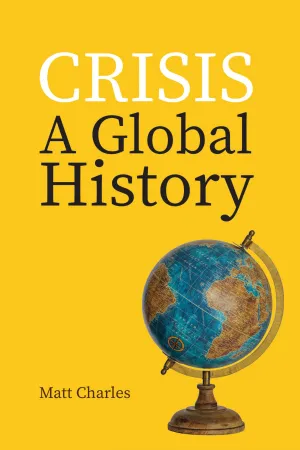
Crisis: A Global History provides an historical analysis of crises across the world and time through the author's framework of nine major crisis types-conflict, disease, economic, environmental, famine, natural, organizational/reputational, social justice and technological. Through historical investigative narrative and a crisis management lens, the book discusses what happened and how, planning and prevention efforts, the response and impact, and what went well or could have been done better.
From western European cave paintings dated to 19,500 BCE with markings that helped people evade starvation, the fall of the Aztec empire and disastrous Chinese famines to the COVID-19 pandemic, a mostly unknown solar storm that crashed global tech, and worldwide rise of political extremism and disinformation, humankind's story cannot be told without crisis.

Humans and crises have traveled together throughout our existence. The Four Horsemen of the Apocalypse are the iconic representations of the catastrophes that have always plagued our world--conquest, war, famine and death. We even see crises depicted in prehistoric cave drawings and stone etchings. With the advent of written language, chronicles of these events found homes on cuneiform, papyrus, paper and the Internet.What have we learned from past crises? Why do we keep repeating the same mistakes? What makes us do this and how do we change course?Crisis: A Global History provides an historical analysis of crises across the world and time through the author's framework of nine major crisis types-conflict, disease, economic, environmental, famine, natural, organizational/reputational, social justice and technological. Through historical investigative narrative and a crisis management lens, the book discusses what happened and how, planning and prevention efforts, the response and impact, and what went well or could have been done better.From western European cave paintings dated to 19,500 BCE with markings that helped people evade starvation, the fall of the Aztec empire and disastrous Chinese famines to the COVID-19 pandemic, a mostly unknown solar storm that crashed global tech, and worldwide rise of political extremism and disinformation, humankind's story cannot be told without crisis.
Other Titles from this Author(s)
Title: Promise: From the Files of the St. Nicholas Club
Title: Build Engaging Courses Faster: A Rapid Deployment Model for Instructional Design
Title: Crisis: A Global History
Title: Promise: From the Files of the St. Nicholas Club
Title: Build Engaging Courses Faster: A Rapid Deployment Model for Instructional Design