
The Theory and Practice of Adult Education synthesizes theories, methods, and ethics to guide equitable, future-focused practice. Grounded in andragogy and transformative learning, it pairs clarity with practical strategies for classrooms, workforce development, and online instruction. The book spotlights reflective practice, cultural responsiveness, and justice-centered teaching as levers for learner agency and institutional change. Fifteen chapters map debates-such as andragogy versus pedagogy-compare cross-cultural applicability of methods and examine technology's role in facilitating learning. Readers gain tools for curriculum design, assessment, and professional identity formation, along with guidance for leading programs that serve diverse adult populations. Philosophical, methodological, and ethical lenses are woven throughout to help educators interrogate assumptions, respond to evolving challenges, and design inclusive learning environments. Suitable for educators, researchers, administrators, and policymakers, the volume blends scholarship with actionable insight and remains a foundational resource for continuing education-equipping readers to navigate complexity, improve outcomes, and advance equity-minded leadership.
Dr. Viktor Wang, a distinguished Professor in the Department of Educational Leadership & Technology, is a pioneering figure in the field of Education. With a prolific output of over 240 refereed publications, Dr. Wang has not only advanced scholarly discourse but has also nurtured the academic growth of his peers and students. His leadership has fostered the research endeavors of numerous colleagues, resulting in the contribution of over 200 articles to his journals and 1500 chapters to his books by colleagues and doctoral students alike. Dr. Wang's journals and books, featuring contributions from leading scholars worldwide, are esteemed resources cataloged by prestigious institutions like the JOHN M. PFAU LIBRARY and other renowned university libraries across the globe. Recognized for his exceptional leadership, Dr. Wang was honored with the 2016 Presidential Award for Exceptional and Innovative Leadership by the American Association for Adult and Continuing Education, in addition to multiple institutional accolades such as the Distinguished Faculty & Scholarly Achievement Award. With a legacy of mentoring and guiding more than 70 dissertation candidates, Dr. Wang continues to shape the future of education through his unwavering commitment to excellence and innovation.
Dr. Viktor Wang, ein angesehener Professor im Fachbereich Bildungsleitung und -technologie, ist eine führende Figur im Bereich der Bildung. Mit über 240 begutachteten Veröffentlichungen hat Dr. Wang nicht nur den wissenschaftlichen Diskurs vorangetrieben, sondern auch das akademische Wachstum seiner Kollegen und Studierenden gefördert. Unter seiner Führung wurden die Forschungsbestrebungen zahlreicher Kollegen unterstützt, die über 200 Artikel zu seinen Zeitschriften und 1500 Kapitel zu seinen Büchern beigetragen haben. Dr. Wangs Zeitschriften und Bücher, die Beiträge führender Wissenschaftler weltweit enthalten, sind angesehene Ressourcen, die von renommierten Institutionen wie der JOHN M. PFAU BIBLIOTHEK und anderen bekannten Universitätsbibliotheken weltweit katalogisiert werden. Anerkannt für seine außergewöhnliche Führungsqualität, wurde Dr. Wang 2016 mit dem Presidential Award for Exceptional and Innovative Leadership der American Association for Adult and Continuing Education ausgezeichnet, zusätzlich zu mehreren institutionellen Ehrungen wie dem Distinguished Faculty & Scholarly Achievement Award. Mit einer Tradition der Betreuung und Anleitung von über 70 Doktoranden prägt Dr. Wang weiterhin die Zukunft der Bildung durch sein unermüdliches Streben nach Exzellenz und Innovation.
The Theory and Practice of Adult Education synthesizes theories, methods, and ethics to guide equitable, future-focused practice. Grounded in andragogy and transformative learning, it pairs clarity with practical strategies for classrooms, workforce development, and online instruction. The book spotlights reflective practice, cultural responsiveness, and justice-centered teaching as levers for learner agency and institutional change. Fifteen chapters map debates-such as andragogy versus pedagogy-compare cross-cultural applicability of methods and examine technology's role in facilitating learning. Readers gain tools for curriculum design, assessment, and professional identity formation, along with guidance for leading programs that serve diverse adult populations. Philosophical, methodological, and ethical lenses are woven throughout to help educators interrogate assumptions, respond to evolving challenges, and design inclusive learning environments. Suitable for educators, researchers, administrators, and policymakers, the volume blends scholarship with actionable insight and remains a foundational resource for continuing education-equipping readers to navigate complexity, improve outcomes, and advance equity-minded leadership.
Other Titles from this Author(s)
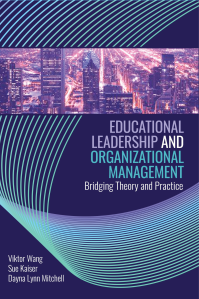
Title: Educational Leadership and Organizational Management Bridging Theory and Practice
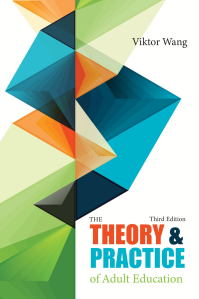
Title: The Theory and Practice of Adult Education
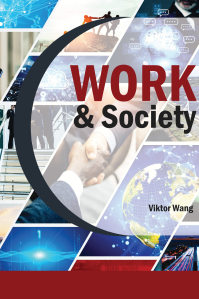
Title: Work and Society
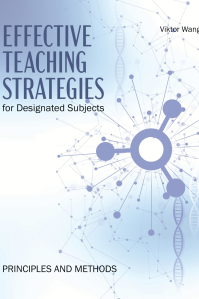
Title: Effective Teaching Strategies for Designated Subjects: Principles and Methods
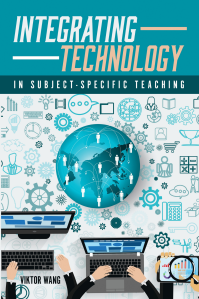
Title: Integrating Technology in Subject-Specific Teaching